About the Program
The University of Nebraska's Graphic Design program teaches students to critically investigate the world, conscientiously engage in change, and design creative, impactful communication systems while becoming passionate life-long design thinkers.
The School of Art, Art History & Design is accredited by the National Association of Schools of Art & Design (NASAD). We are the only NASAD accredited institution in the state to offer a BFA or BA in Graphic Design.
At the heart of Graphic Design is effective communication: while developing a personal aesthetic and design values, students also learn to form cohesive ideas, write design briefs, prepare mechanicals, and learn how to professionally present work. We strive to instill in students the leadership skills that are invaluable to clients and employers. Our program prepares students to enter the dynamic and expanding array of design professions.
-

Advanced Graphic Design students present their work in a small exhibit and through the publication of a zine at the 40th annual Center for Great Plains Studies Symposium “Drought” April 1-4, 2014. Read more... -

A Graphic Design student presents an infographic at the 40th annual Center for Great Plains Studies Symposium. Read more... -
 Students use state of the art computer hardware and software, and have a strong foundation in drawing, color theory, 2-D and 3-D Design. BFA students have additional experience in Photography, Printmaking, Sculpture, Painting, and Ceramics.
 -

Students can work across media as they develop their skill as visual communicators. -

Students often collaborate in our spacious, well-lit studios. -

Visiting Artist Ed Fella participates in a Graphic Design critique (fall 2013). -
-
-
-

-
-
-
-
-
Facilities
There are nearly 5,000 square feet of facilities, including:- State-of-the-art classrooms
- Student exhibition space
- Critique space
- Large open lab area for finishing work
- Graduate Studios
- Dedicated photo lighting studio for professional documentation
- High-quality large format printers
- Laser cutters, vinyl cutter, 3D printers, plasma cutter
- Equipment check-out including DSLR cameras, Wacom tablets, lighting equipment, video cameras, digital projectors and more.
Faculty




Josh Lowe
Assistant Professor in Graphic Design
Aaron Sutherlen
Assistant Professor of Art (Graphic Design)Design Research
Our students have the opportunity to engage with top Research I (R1) university faculty members. Studies have shown that some of the best educational experiences for college students take place with professors outside the classroom, especially in the context of shared research activities. Such collaborative projects provide chances for students to themselves become researchers. At UNL, students participate in design research courses, apply for design research jobs, and receive U-Care research grants to work with the latest research. In the past two years, students have participated in research project taking them as far as Puerto Rico and have designed public exhibitions from California to The University of Nebraska’s Innovation Campus.
Interdisciplinary Learning
Students will learn non-digital and digital design techniques from the history of the medium to its most contemporary practice to build a well-rounded foundation for professional life.
Within the two primary buildings that make up the School of Art, Art History & Design, students can create using letterpress, printmaking, bookbinding, woodworking, professional darkrooms, lighting studios, 3D printers, laser cutters, routers, sound mixing equipment, kilns, green screen studios and more.
In addition, graphic design students are encouraged to complement their studies with cross-disciplinary courses available at our Research 1 University. Through the Digital Arts Initiative, offered by the Hixson-Lied College of Fine & Performing Arts, students have the opportunity to study narrative video production, digital sound design, digital film scoring, digital drawing, data visualization, and digital animation (to name a few topics) in an interdisciplinary environment with students from the Glenn Korff School of Music and the Johnny Carson School of Theatre & Film. Fine & Performing Arts Students work together in these classes... building friendship and the empathy needed to be a future creative collaborator. Across campus, students are encouraged to take classes that complement their focus area — be that journalism, fashion, textiles, film, software development, anthropology and the list goes on...
The School of Art, Art History & Design is an active a2ru member (The Alliance for the Arts in Research Universities). This organization strives for advances in integrative arts research, curricula, programs, and creative practice to acknowledge, articulate, and expand the vital role of higher education in our global society.
Social Impact
As an extension of our faculty’s research and passion, our graphic design students engage in real-world, classroom client based jobs, form topical seminars, design programs for campus recycling, and participate in independent research projects on the topic of design for social change and design for social justice.
In 2015, Professors Asher and Sutherlen organized Nebraska's Design + Social Justice Symposium. With over 500 attendees, the symposium examined the role of graphic design in creating messages that promote civil and human rights, preservation of the environment, and advocacy of equal opportunity. The symposium included an exhibition at the Sheldon Museum of Art featuring the work of the Black Panther Party’s graphic artist, Emory Douglas, lectures by Billy X Jennings, Black Panther Party historian and activist and a collection of contemporary portraits by Suzun Lucia Lamaina.
Nebraska's graphic design faculty are committed to issues of engagement. Other projects have included Water for Food, Water in Tanzania, Sustainability of Food, Water and Energy in the Midwest, as well as, Prairie Pines.
Professional Engagement
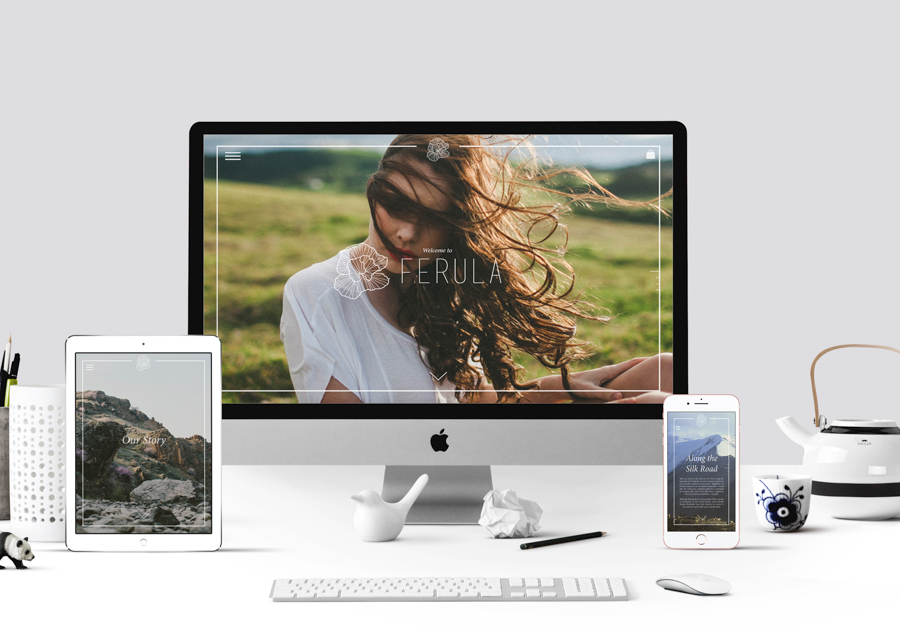
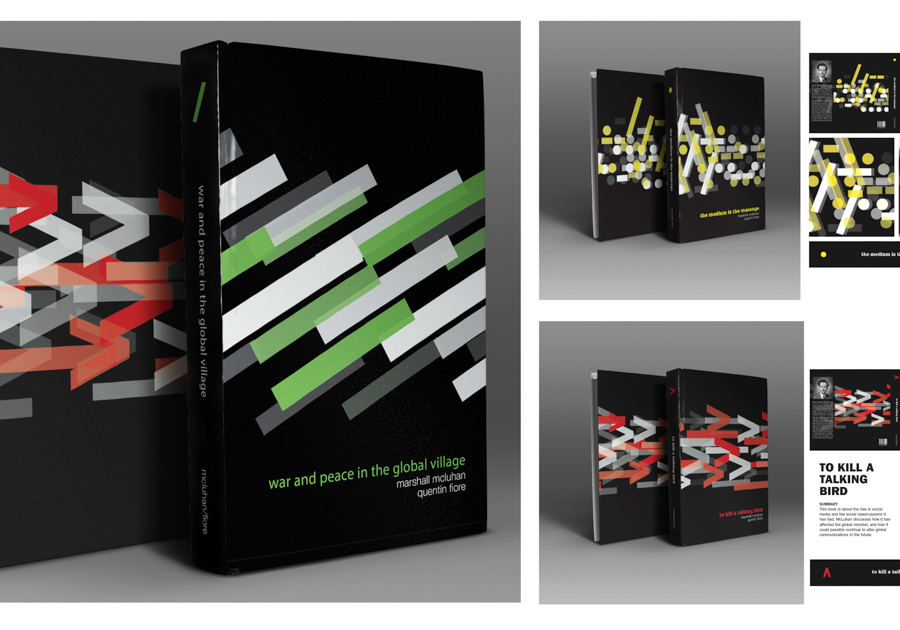
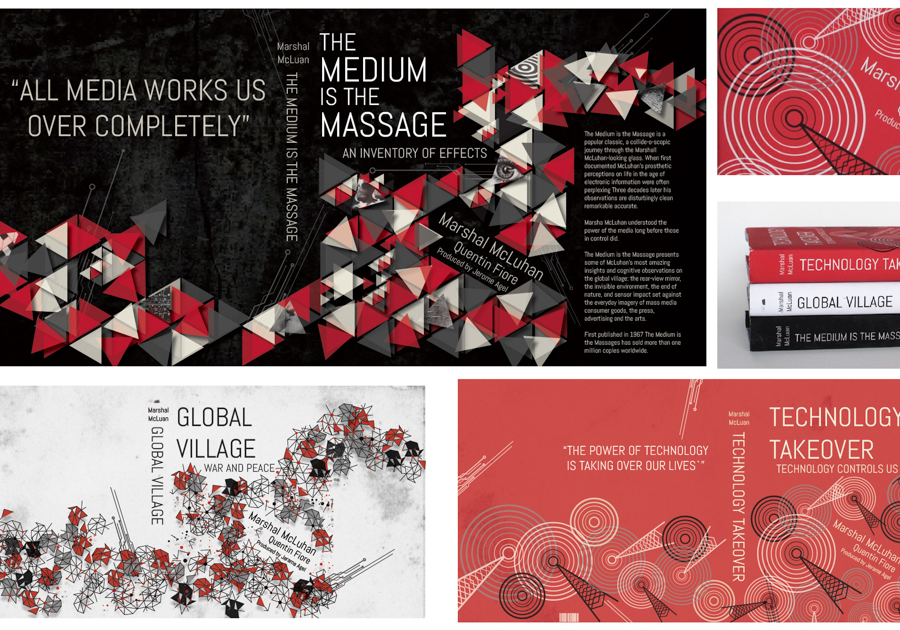
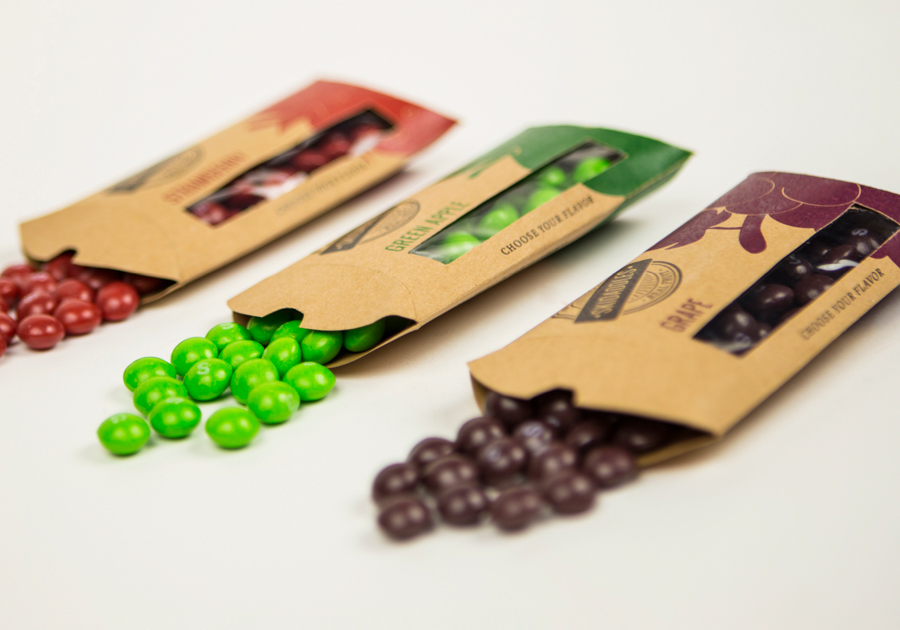
Students will learn the visual and technical language of Graphic Design, utilizing cutting-edge technology along with traditional skills in typography, composition, and drawing to create posters, packaging, books, web and interactive design, and motion graphics. Many courses focus on real-world projects.
Students are also expected to join the American Institute of Graphic Arts (AIGA). The AIGA is the oldest and largest professional association for designers. With over 26,000+ members belonging to 70 chapters across the country, this membership gives our students direct access to a network of professionals, jobs, conferences, seminars and talks to enhance classroom learning. Under the leadership of Professor Syron (AIGA Nebraska, Director of Education) the University of Nebrska AIGA Student Group is rich with opportunities including studio tours, portfolio reviews, design conferences, competitions, social events, guest speakers and travel to national and regional conferences.
BFA students have the option of applying up to 9 credit hours of internship toward their major requirements, and BA students may apply up to 6 credit hours of internship. Our internship program features a website where employers can post opportunities. Students have interned at local agencies and corportations like Swanson Russell, Hudl, University of Nebraska Athletics Department, and Nelnet just to mention a few. In addition, graphic design students are heavily recruited to participate in the Jacht Ad Lab, a student run advertising agency run through the College of Journalism and Mass Communications.
Commitment to Innovation
Graphic Designers increasingly work across disciplines: they develop brands, write copy, help clients create strategies, write code, and shoot video. We are committed to providing students an array of creative tools as well as training on current digital practices. Graduates of our program can be assured that the tools they encounter in the workplace are already familiar to them.
The Digital Lab provides access to high-end digital printing, rapid proofing, as well as pre- and post-production tools like scanners and paper trimmers. The Digital Lab also checks-out equipment such as digital cameras, Wacom tablets, lighting equipment, video cameras, projectors and more.
Student Perspective
Watch a video about design student Carlos Velasco.
Watch a video about design student Michael Johnson.
Design Program News
- Design students awarded national grant to attend a2ru national conference Read press release
- Blue returns for Alumni Masters WeekRead press release
- Graphic Design Students Sweep the AAF's Addys Competition winning Best of show - Josie Briley - Integrated Advertising & Package Design - Love Honey (senior), Judges Choice - Dan Hinz - Animation Judges Choice - Jose Arellano - Public Service TV Commercial - Capstone, Judges Choice - Sierra Hearn - Advertising Campaign and aGold Medal - Sam Bendix (sophomore, work from Graphic design II - package design)See the Awards
- School of Art, Art History & Design wins big at AIGA show
- Hixson-Lied College of Fine and Performing Arts hosts MACCA conference, with keynote presentation by designer Behnaz Farahi.
- University of Nebraska Graphic Design Major Maps Out Future
- University of Nebraska Graphic Design student, Megan Rook wins the prestigious AIGA Designing Opportunity Scholarship
- Ellen Lupton visits Graphic Design department
- Graphic designer, Jake Headid wins first Franco Fund Scholarship
- Agpocalypse project highlights food energy water nexus
- Social Justice Screen Printing Workshop at the Sheldon Museum of Art
- UNL design creates Design & Social Justice Symposium
- How Design Inspires People to Act: Design+Social Justice Symposium
- UNL Design Student, Tiffany Weiser wins AIGA Show’s Student Best of Show Award